
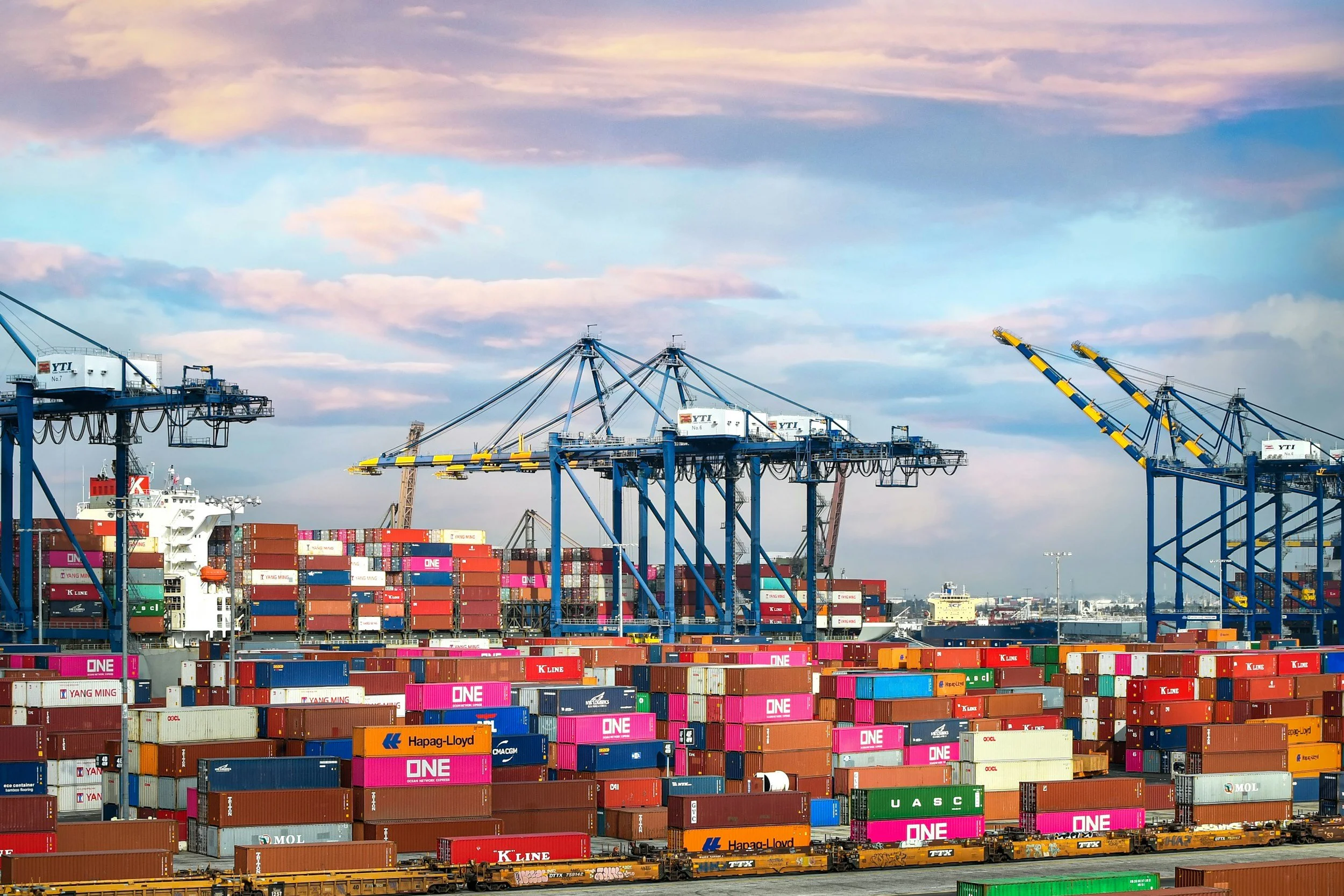
The Inland Empire industrial market turned a corner in Q2. Leasing velocity picked up, and more importantly, the quality of demand shifted — sophisticated corporate users who sat on the sidelines are now actively signing LOIs on Class A bulk distribution space near ports, freeways, and rail. That's conviction, not window shopping.
New construction starts have hit their lowest point in years, which means less competition for existing space and better conditions for rents to firm back up.
Still, this isn't 2021. Vacancy outpaces demand, so every deal is contested, and landlords need to compete with stronger TI packages and flexible terms rather than holding out for last cycle's pricing.
A leading indicator worth watching: Orange County and LA both posted positive net absorption in the first half of 2026. Coastal tightening has always preceded Inland Empire strength — when coastal space runs tight and expensive, users move inland.
On rates: The Fed held steady at 3.50%–3.75% in July, its fifth straight hold, with markets now pricing in the possibility of a hike later this year rather than further cuts. That keeps borrowing costs elevated for now, reinforcing why landlords need to compete on deal structure rather than count on cheaper capital to drive pricing.
Bottom line: Lower cost basis, superior logistics infrastructure, and proximity to 20 million consumers keep the Inland Empire the most important industrial market in the country. The path ahead points to tightening conditions and firming rents — and the operators who move now will be better positioned than those waiting for certainty that never comes.
John Viscounty | Senior Vice President, Partner
Voit Real Estate Services
3280 E Guasti Rd. Suite 100 | Ontario, CA 91761
D (909) 545-8002
jviscounty@voitco.com | www.voitco.com
Real Estate Salesperson, Cal BRE, License #02028915